
Factory Headlights Is Now Live
After months of research, data cleanup, scoring-model development, and visual production, Factory Headlights is ready to help drivers compare how well vehicles light the road before they buy.
BulbFacts started by testing replacement bulbs and lighting kits for vehicles people already own. Factory Headlights expands that mission to an earlier decision: choosing the vehicle itself. A driver should be able to find out whether a vehicle has strong factory lighting, whether the best system is limited to a certain trim, and whether an upgrade is likely to help before signing the paperwork.
Getting there required much more than copying a published rating into a chart. The current research brings together more than 900 vehicle-year records and over 1,500 individual factory headlight systems. A single vehicle can have several different systems depending on trim, option package, build date, or headlight technology, so those differences had to stay visible instead of being flattened into one answer.
Research first, then structure the data
The work began with publicly available headlight measurements and vehicle details. Those records had to be collected, reviewed, normalized into consistent fields, and checked for missing or conflicting information. Low beams and high beams are measured in several directions, curve performance matters, glare matters, and a strong result on one trim does not automatically apply to every version of the vehicle.
We built the data around those complications. Vehicle-year records remain searchable, while separate headlight-system records preserve trim and package differences. Source notes, lighting technology, assist features, measurement summaries, glare information, and upgrade advice stay attached to the system they describe. That structure took longer to build, but it prevents a misleadingly simple “good car” or “bad car” label.
Finding an algorithm that reflects usable light
We tested and refined different ways to turn many directional measurements into one useful comparison score. The final 100-point model gives the greatest weight to low-beam reach, then adds high-beam reach, curve coverage, and glare control. The published score displays on a 10-point scale.
The result is the BulbFacts OE Visibility Score. It is our interpretation of the underlying measurement data, not a replacement for the original source rating. It also does not reward a vehicle simply for having LED or HID headlights. The system has to put usable light where a driver needs it while controlling glare.
The score helps sort the data, but the recommendation still needs context. A high-scoring system may be best left stock. A lower-scoring halogen system may have a practical bulb upgrade path. A vehicle with several available lamps may simply require choosing the right trim. That is why the vehicle pages pair the number with trim warnings, system details, and plain-language advice.
Generated vehicle images keep the research free
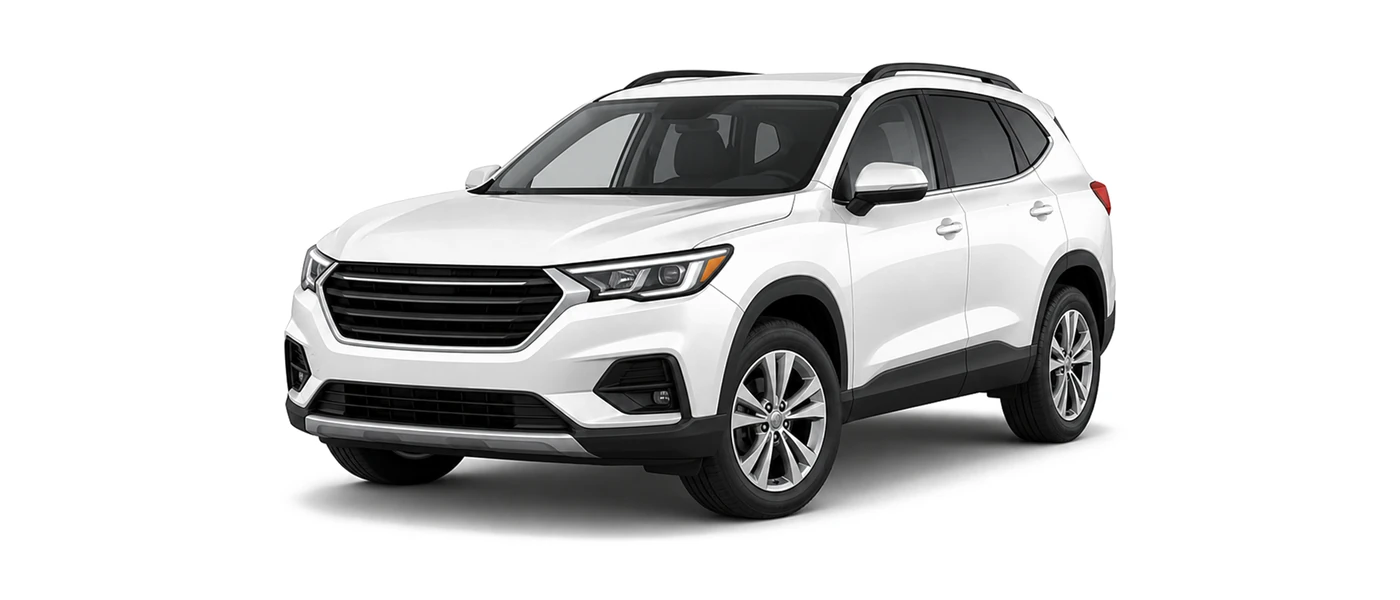
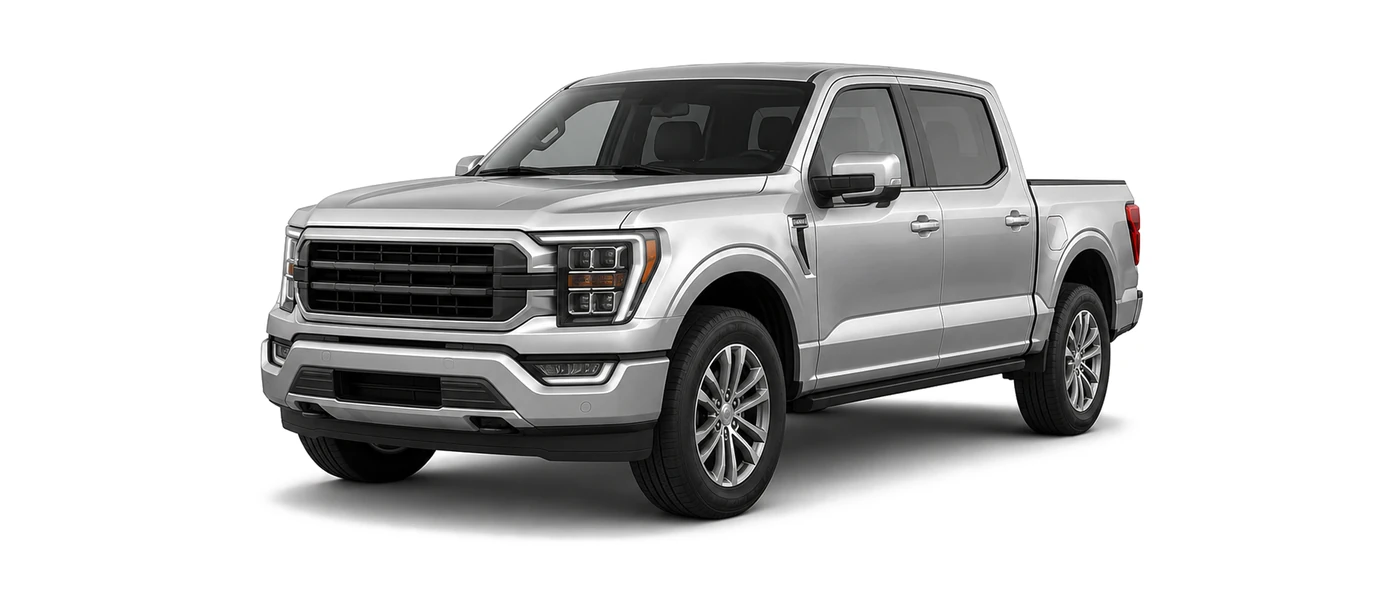
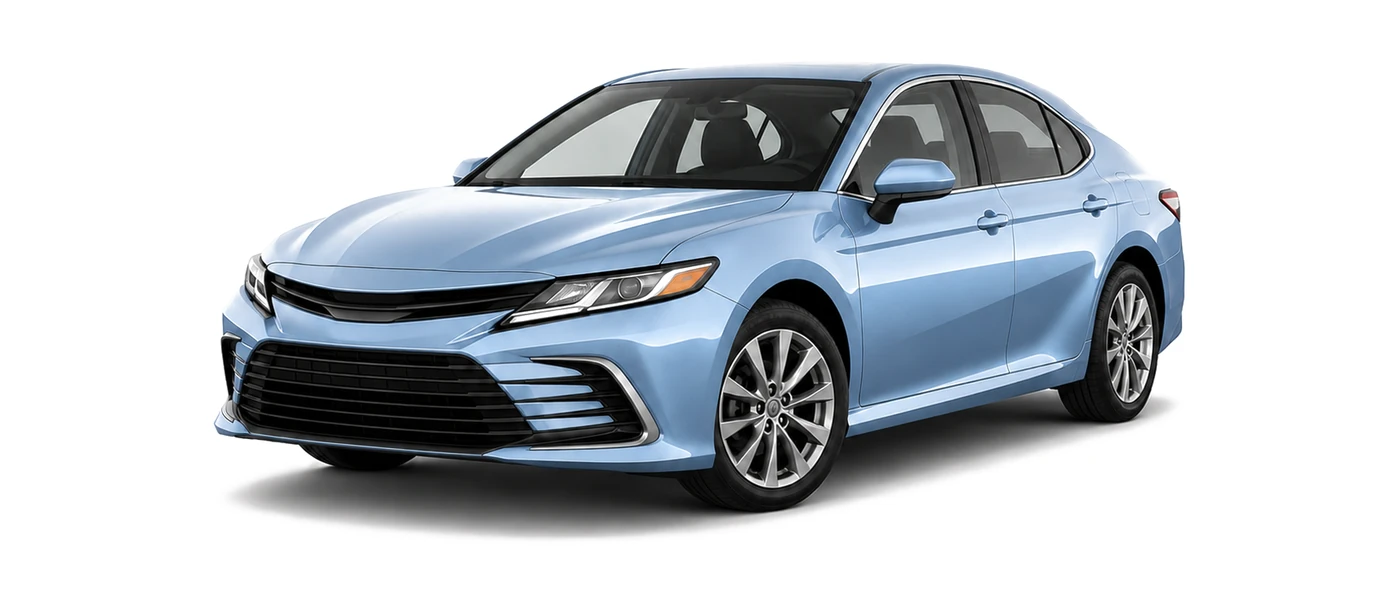
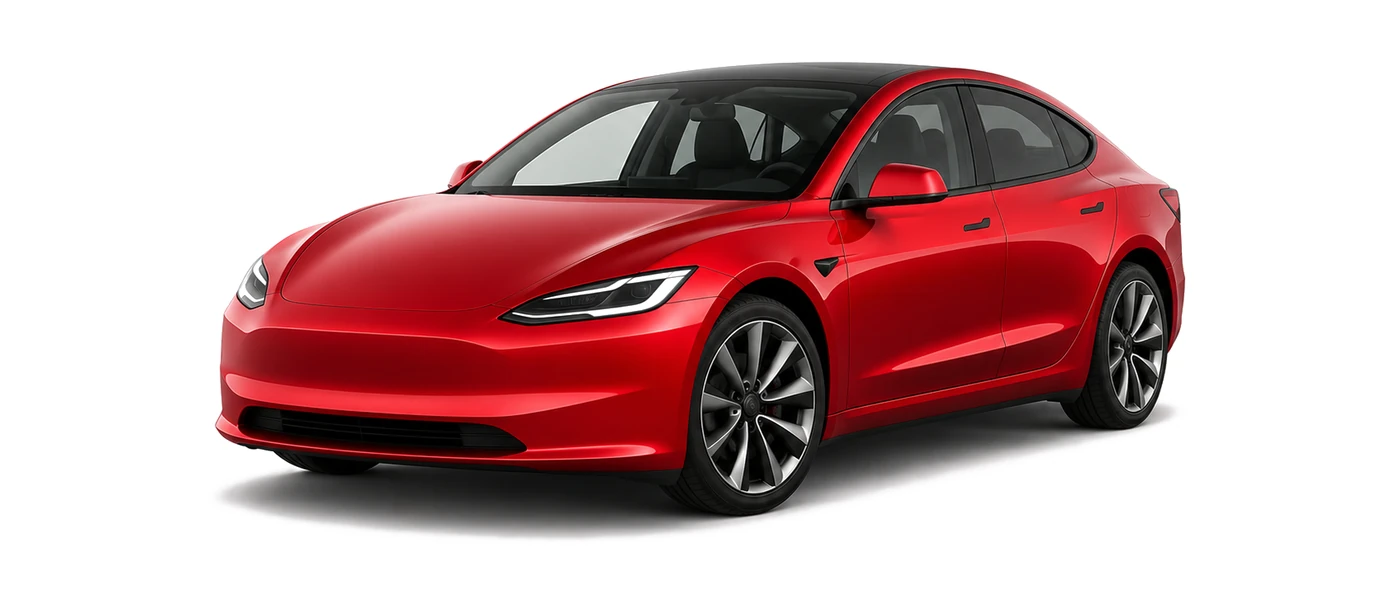
Building a visual library for hundreds of vehicle-year records creates another challenge. Licensing consistent stock photography at this scale would add significant cost, and many older or less common vehicles would still be difficult to represent. Instead, every vehicle image in Factory Headlights was generated for BulbFacts rather than purchased from a stock-photo library.
These images make the section easier to browse while helping us keep the research free for viewers. They are representative illustrations, not proof of an exact trim, lamp, package, or model-year detail. The research and recommendations come from the data; the images are there to make a large dataset more approachable.
Factory Headlights combines public measurement data, BulbFacts scoring, trim-level research, and practical upgrade advice so shoppers can make a better night-driving decision before they buy a vehicle.
Start with your vehicle search
You can browse SUVs, pickup trucks, cars and sedans, and electric or hybrid vehicles, or use the comparison tools to search by year, make, model, lighting system, and score. The data will continue to be reviewed and expanded as more measurements and vehicle systems become available.
Factory Headlights is now live, but the research is not finished. Just like the BulbFacts product charts, the section is designed to improve as data changes, gaps are found, and better ways of explaining the results emerge.