
DDM Tuning Ultra Xenon Review
The current factory-Xenon value pick: a strong 583-lux low beam, clean 5,500K color, broad D-series sizing, and an estimated $50-per-pair price—without the premium-brand consistency or documented lifespan of an OE supplier.
- Overall Xenon score
- 4.7current chart score
- Low-beam output
- 583 luxthree-projector average
- High-beam output
- 824 luxthree-projector average
- Measured color
- 5,500 Krecommended version
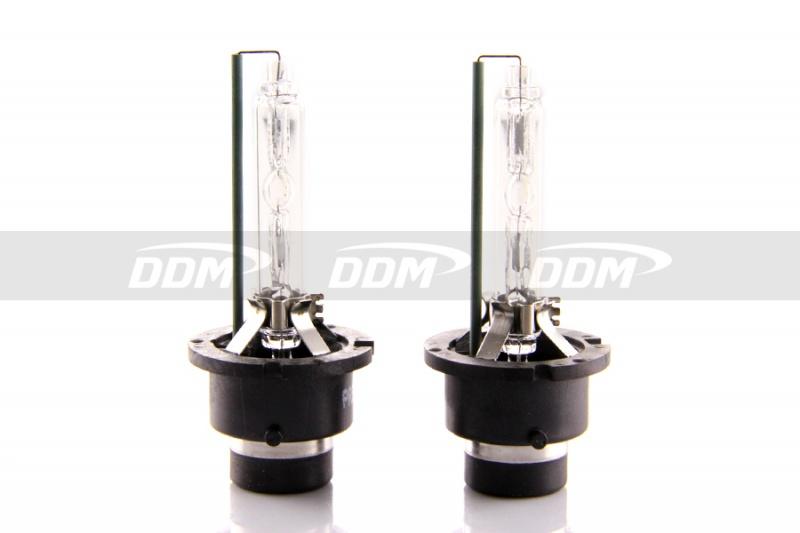
Our verdict
DDM Tuning Ultra Xenon is the factory-HID bulb to start with when price-to-performance matters most. The recommended 5,500K version delivers a 43% low-beam gain over the current OE reference and a small high-beam gain for about one-third of the premium OSRAM price. DDM lists a one-year warranty; the remaining ownership limitation is the lack of completed lifespan data.
What we liked
- 583 low-beam lux is about 43% above the current OE Xenon reference.
- Clean 5,500K color, broad D-series sizing, and an estimated $50-per-pair price.
- The 4.7 overall score and one-year warranty strengthen the value case.
What to consider
- 824 high-beam lux is only about 2% above the current reference.
- Measured lifespan and long-term color stability are not recorded.
- OSRAM and Philips retain the stronger OE-supplier consistency and ownership story.
A direct D-series replacement, not a conversion kit
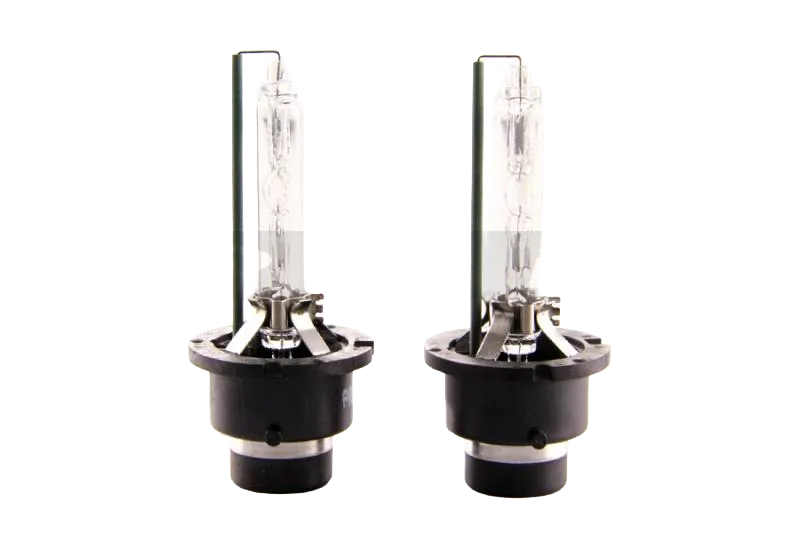
DDM Ultra Xenon is an OE-style D-series bulb for vehicles that already use factory HID or bi-xenon headlights. It does not include conversion ballasts, adapter wiring, or the hardware required to turn a halogen headlight into HID.
The current record covers D1S, D2S, D2R, D3S, D4S, and D5S versions. Those families are not interchangeable, and S- and R-style capsules serve different optics. Confirm the exact code already installed in the vehicle before ordering.
DDM offers a meaningful step above the extreme-budget tier without reaching premium OSRAM pricing. That value position does not erase the need to verify capsule seating, ballast condition, projector health, and pair matching.
Strong low beam, small high beam gain
The 5,500K version is the current recommendation focus.
About these tests: Measurements are averages from the Nissan Murano, Acura TL, and Lexus RX factory-Xenon reference projectors. They are not exact-vehicle results; optics, seating, lens condition, ballast voltage, aim, and warm-up can change real-world output.
Where its lux readings sit
Average hotspot
DDM Tuning Ultra Xenon measured 583 lux on low beam compared with 33 recorded factory-Xenon bulbs and the 408-lux OEM reference.
Average output
DDM Tuning Ultra Xenon measured 824 lux on high beam compared with 33 recorded factory-Xenon bulbs and the 807-lux OEM reference.
Gray dots show every recorded Xenon bulb; LED conversions are excluded. Purple dots mark the other current recommendations, the blue marker is this bulb, and the dashed marker is the OEM Xenon reference.
The recommended DDM Tuning Ultra Xenon 5500K currently has a 4.7 overall score in the BulbFacts Xenon chart. Low beam measured 583 lux, and high beam measured 824 lux.
Compared with the Xenon reference baseline of 408 low lux and 807 high lux, the DDM Ultra 5500K is about 43% stronger on low beam and about 2% stronger on high beam.
Measured color was 5500K. Total measured output was 4603 lumens. The bulb is listed as a 35W HID replacement and is available in D1S, D2S, D2R, D3S, D4S, and D5S fitments. Estimated price is around $50 per pair.
- Reference low beam
- 408 lux
- Reference high beam
- 807 lux
- Measured color
- 5,500 K
- Measured output
- 4,603 lm
Strong low-beam output for the money
The 5500K DDM Ultra is one of the clearest value plays in the current Xenon chart.
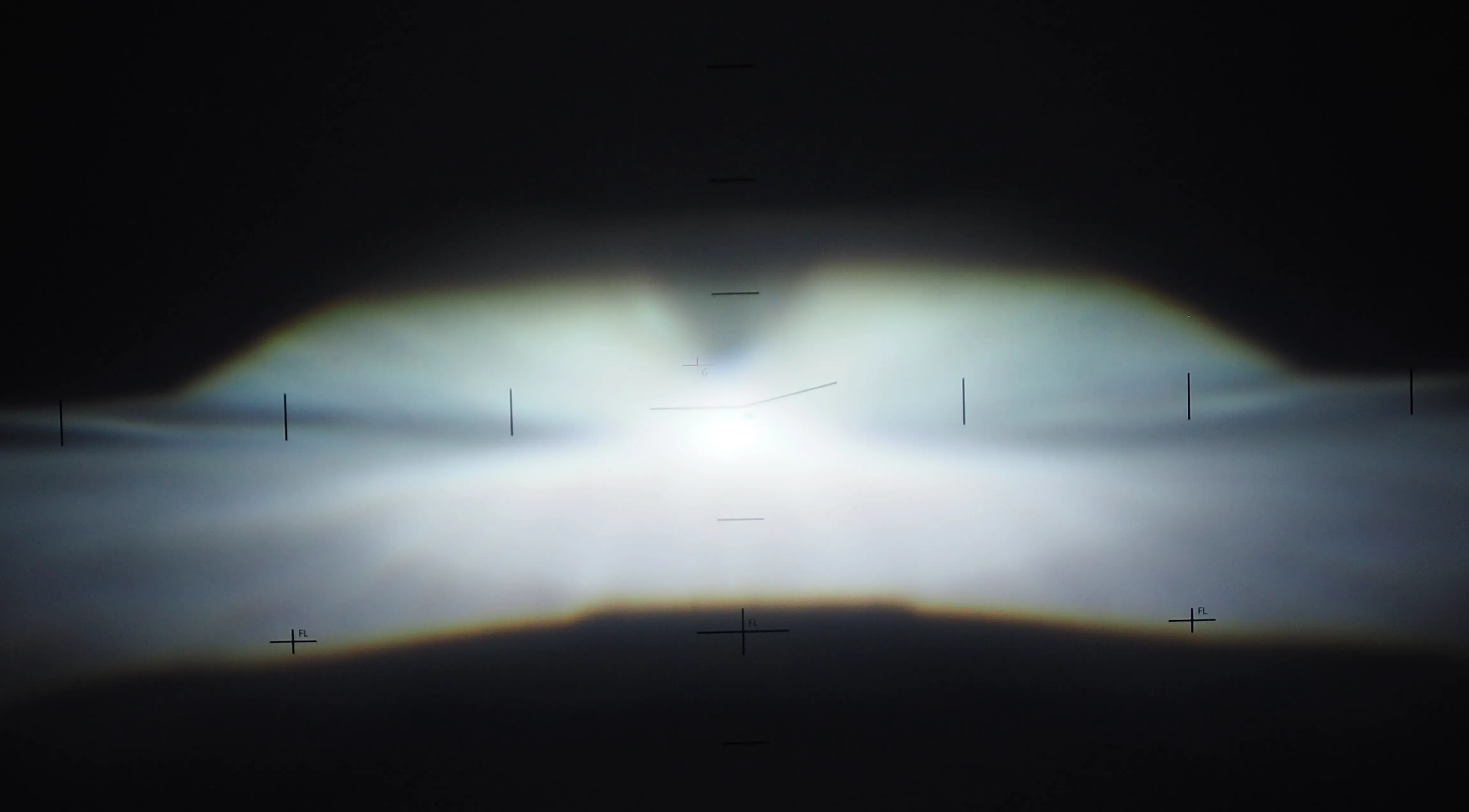
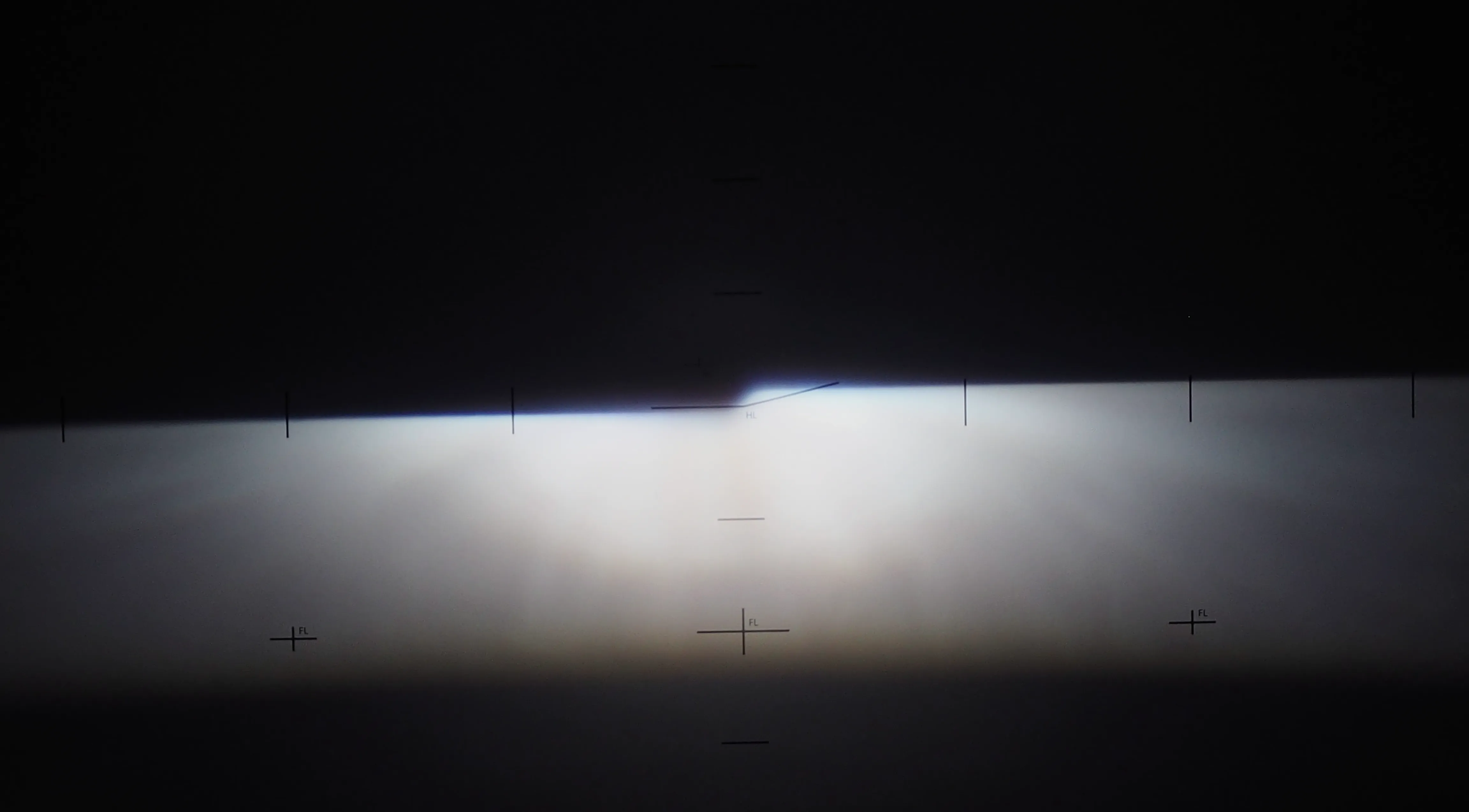
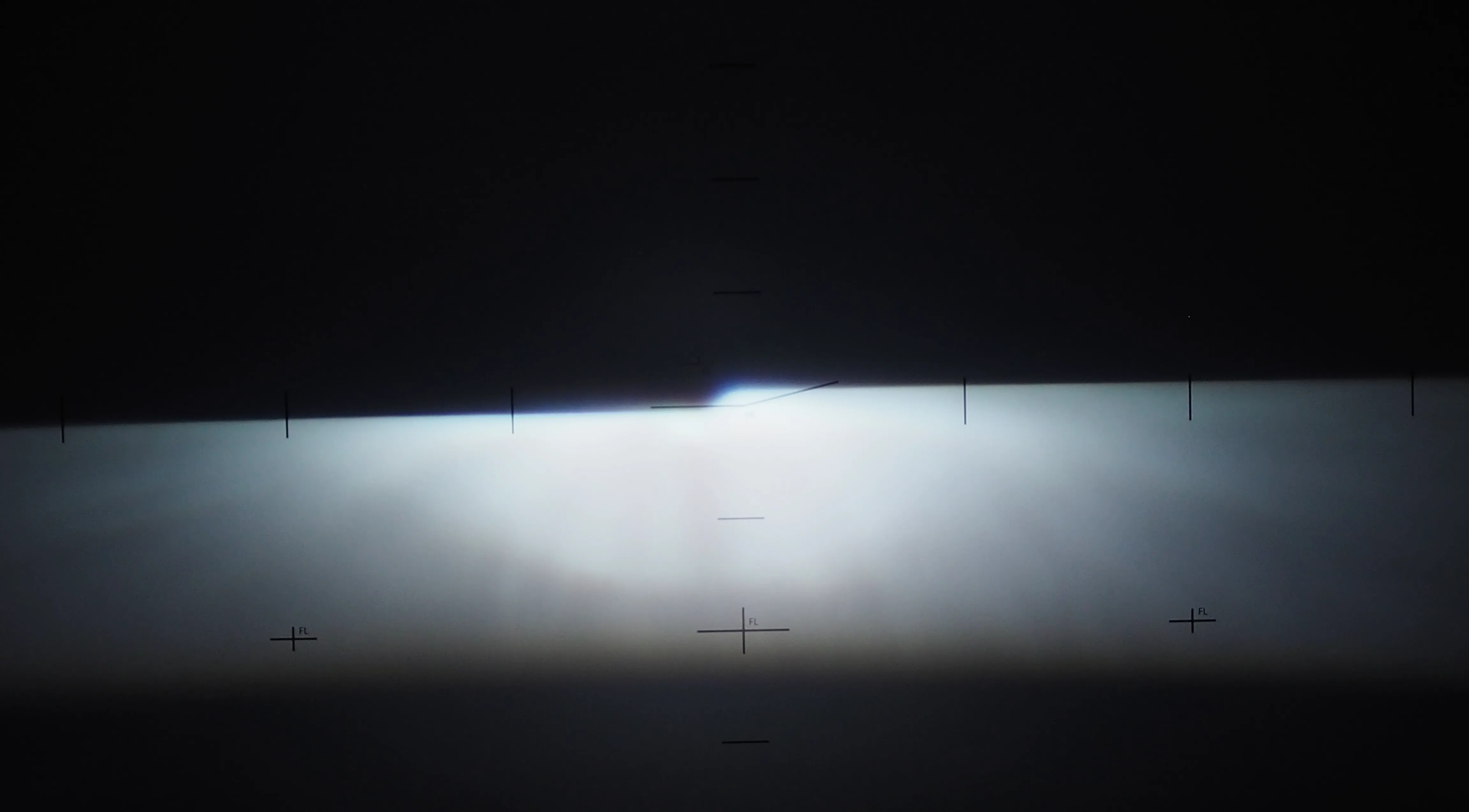 500 luxAvg. peak hotspot
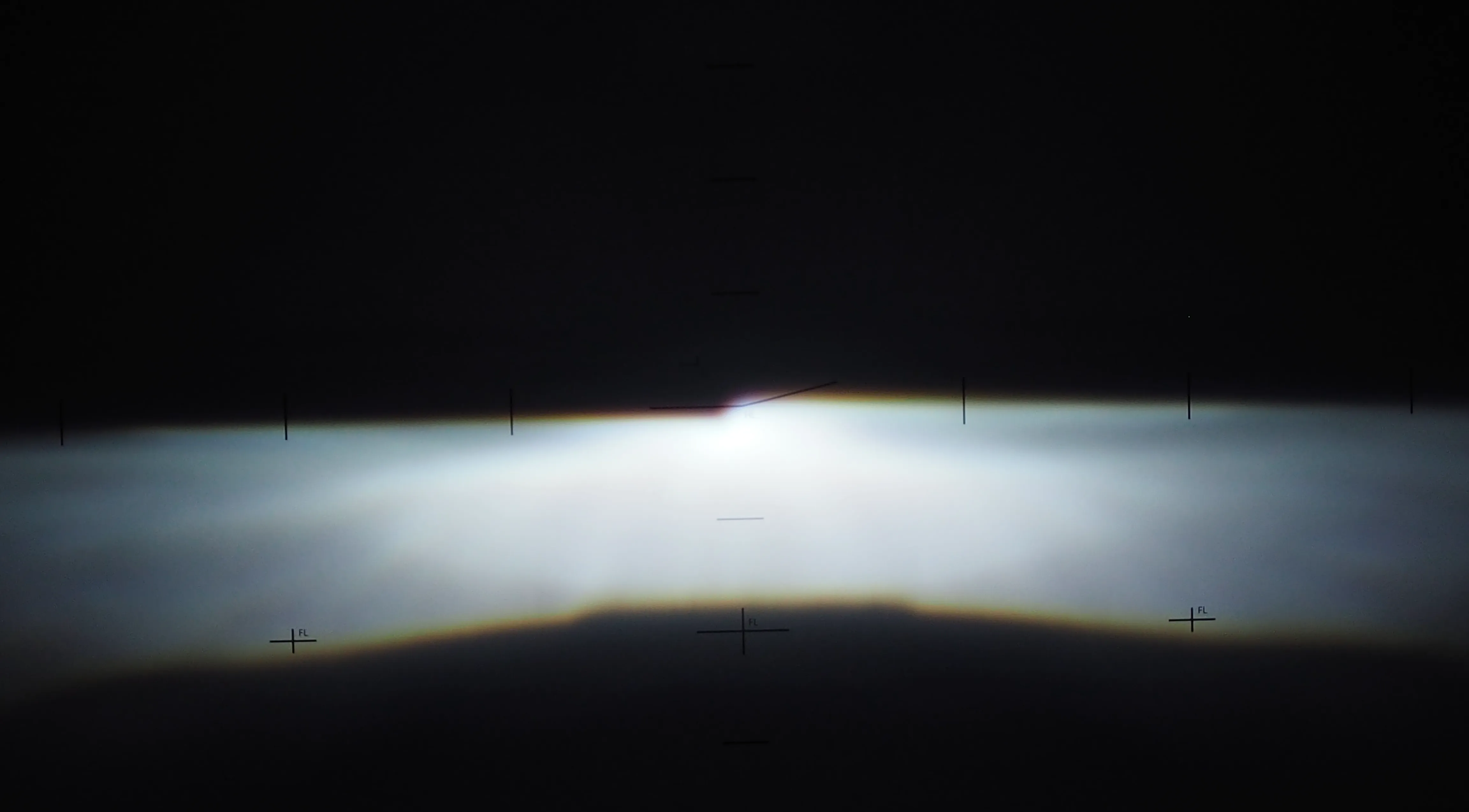 789 luxAvg. peak hotspot
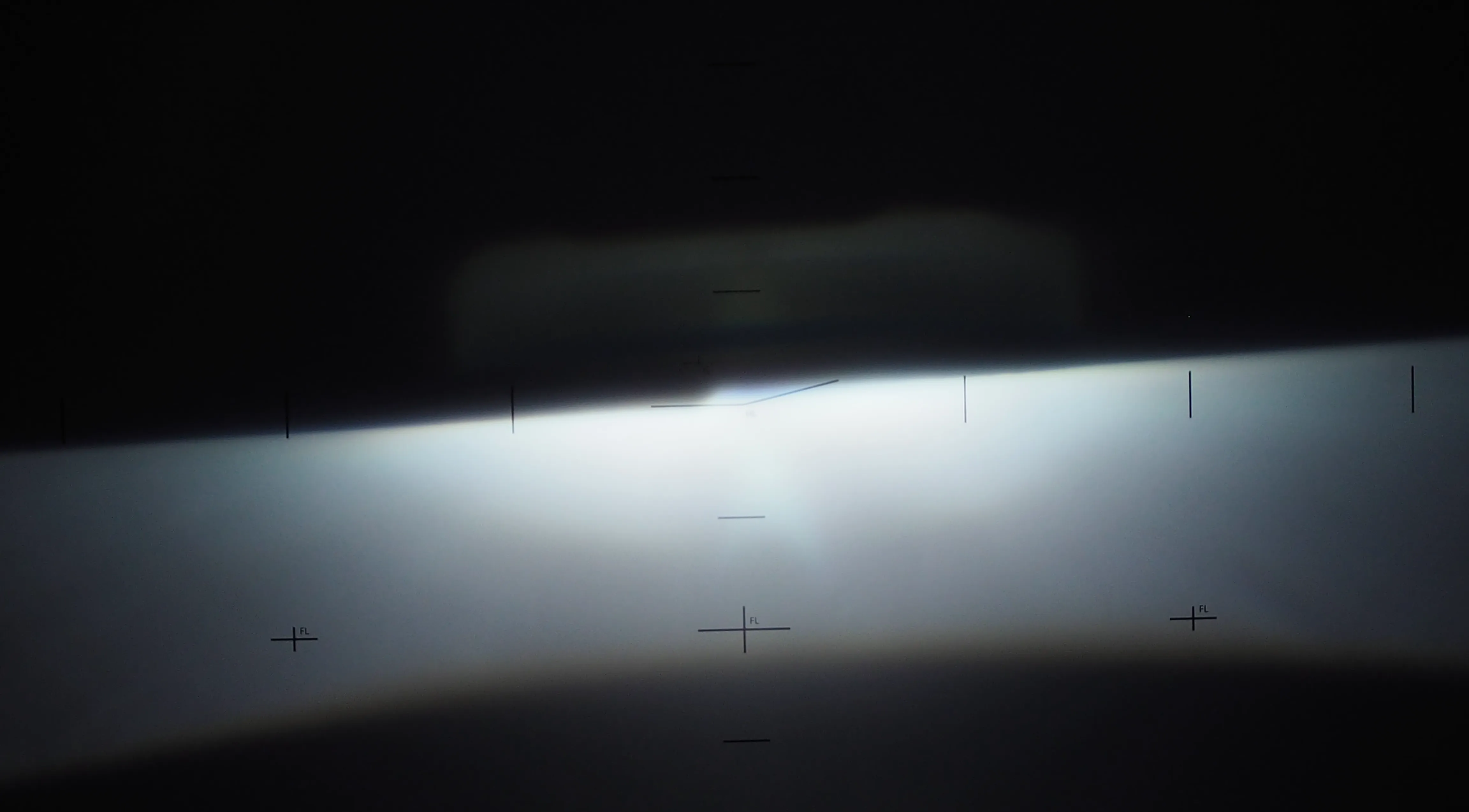 460 luxAvg. peak hotspot
In the current chart data, we measured the DDM Ultra 5500K at 583 low beam lux, compared with the 408 low lux Xenon reference. That is about a 43% low-beam gain, which is why it earns the value-pick spot.
It does not beat the OSRAM Night Breaker 220 for absolute output, but it gets close enough to matter at roughly one-third of the price. For many shoppers replacing dim, faded, or color-shifted factory HID bulbs, that is the whole point.
Low beam is what most people actually live with every night. So even though the high beam gain is small, the low beam improvement is enough to make this bulb interesting.
Modest high-beam gain, not a premium-output leader
The DDM Ultra's strength is low beam and value, not maximum long-distance punch.
High beam is more restrained. The current chart shows 824 high beam lux for the DDM Ultra 5500K, compared with the 807 high lux Xenon reference. That is about a 2% gain.
If high-beam reach and premium output are the priority, the OSRAM Night Breaker 220 is still the better recommendation at 645 low lux, 1028 high lux, 4500K, 4913 lumens, and about $150. The DDM makes more sense when low-beam output per dollar matters most.
That does not make the bulb bad. It just means the improvement is low-beam focused. The DDM Ultra 5500K is better understood as a low-beam value upgrade with a cleaner white appearance, not the long-distance high beam champion.
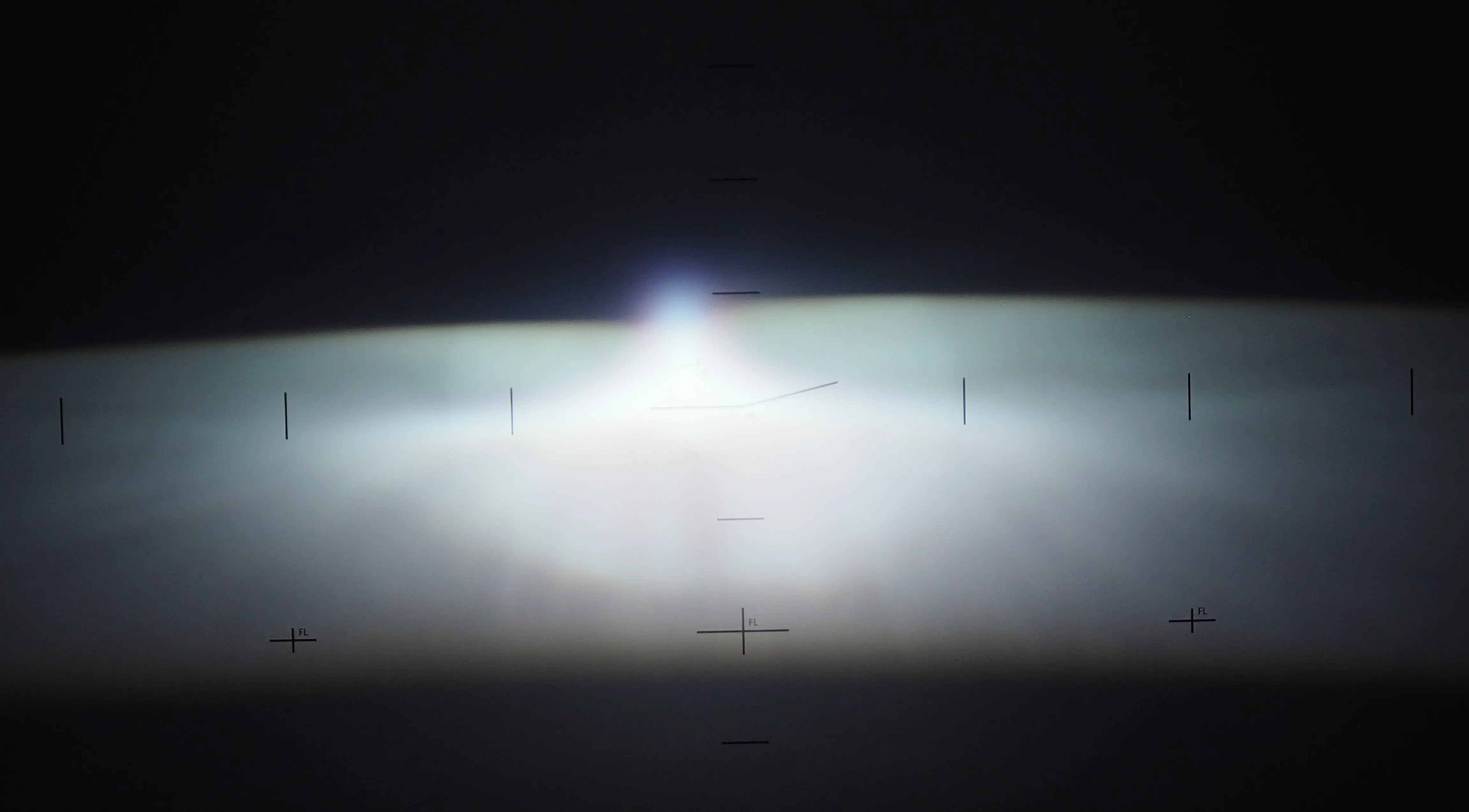 815 luxAvg. peak hotspot
 832 luxAvg. peak hotspot
5,500K is the whiter value pick; 4,500K is warmer
DDM offers more than one color temperature, and the current chart keeps those results separate.
DDM Ultra 5500K Kelvin
OEM warm5000K
pure white5500K
cool6000K
blue-white7050K
chart high
DDM Ultra 5500K lumens
The 5500K DDM Ultra is the current recommendation because it combines the stronger score with a clean white look. It is whiter than an OEM-style 4300K to 4500K HID bulb without looking blue or purple. It measured 583 low lux, 824 high lux, and 4603 lumens.
The 4500K DDM Ultra is warmer and closer to OEM HID color. Its current chart result is 534 low lux, 783 high lux, and 4965 lumens. It has more measured lumens, but the 5500K version has the stronger current low beam lux and score.
Higher Kelvin is not automatically brighter, and total lumens do not tell the whole story. Projector focus, arc placement, capsule alignment, and beam intensity decide how much light becomes useful lux on the road.
Choose 5500K for the stronger current score, better low-beam result, and cleaner white appearance. Choose 4500K for a warmer, more stock-style HID color and potentially better all-weather appearance.
 438 luxAvg. peak hotspot
The 4500K version has more lumens, but 5500K has the stronger low beam
This is why the current recommendation focuses on the 5500K version.
Lumens measure total light output from the bulb. Lux shows how much light reaches specific parts of the beam after the projector optics do their job.
The 4500K DDM Ultra measured more total lumens than the 5500K version, but the 5500K version measured stronger low beam lux in the current chart. That can happen because projector focus, arc position, capsule alignment, and the specific bulb/projector combination all matter.
A factory HID bulb is not just a glowing capsule. It has to work with the projector. That is why the DDM Ultra 5500K gets the recommendation even though the 4500K version has the bigger lumen number.
Confirm the D-series code and replace in pairs
Factory-Xenon replacement is simpler than installing a conversion kit, but exact bulb identity and system condition still matter.
- Recorded power
- 35 W HID current chart listing
- Recorded sizes
- 6 families D1S, D2S, D2R, D3S, D4S, D5S
- Cooling noise
- Silent no cooling fan
- Warm-up
- Required stable-output time not recorded
Fitment is exact, not approximate
D1S, D2S, D2R, D3S, D4S, and D5S are not interchangeable. R-style and S-style capsules are different as well. Confirm the marking on the installed bulb and verify that the ballast and igniter are healthy before ordering.
A matching bulb code does not repair cloudy lenses, burned projector bowls, moisture damage, wiring faults, or bad aim. Inspect the complete system when new bulbs still look weak.
Pair replacement helps color matching
Xenon bulbs fade and color-shift over time. Installing one new 5,500K DDM capsule next to one old factory bulb can leave the headlights visibly mismatched.
Replacing in pairs gives the best chance of matching color and output. It also makes the comparison with the old system more meaningful.
Strong measured value with one-year coverage
DDM lists a one-year warranty for Ultra replacement bulbs; measured lifespan remains unrecorded.
Coverage
- Estimated price
- $50 per pair in the current chart
- Warranty
- 1 year manufacturer-listed coverage
- Measured lifespan
- N/A long-term runtime not recorded
- Purchase link
- BRI Source affiliate destination
What the value price buys
At about $50 per pair, DDM delivers a strong low-beam result, clean white color, broad size coverage, and output close enough to premium choices to make the price difference meaningful.
DDM's Ultra replacement-bulb listing specifies a one-year warranty. Coverage is useful, but it is not a completed lifespan test or proof of premium-bulb durability.
Where premium brands still lead
OSRAM and Philips have stronger OE manufacturing backgrounds and a more established consistency story. Premium bulbs are generally the safer choice when long-term color matching, aging behavior, and supplier confidence outweigh price.
DDM is the value pick, not the safest premium pick. That distinction is the reason the recommendation remains useful and honest.
Where DDM sits against OSRAM and DMEX
The DDM Ultra is the price-to-performance choice.
OSRAM Night Breaker 220 is the Best Premium Output pick. It measured 645 low lux, 1028 high lux, 4500K, and 4913 lumens, with an estimated $150 price. It is stronger overall, especially on high beam, and remains the output-first premium choice.
OSRAM Cool Blue Intense Next Gen is the Best Pure White Color pick. It measured 509 low lux, 927 high lux, 5300K, and 5273 lumens, with an estimated $140 price. CBI-NG remains the premium OSRAM white-light choice.
DMEX 4300K is the Best Extreme Budget fallback. It measured 517 low lux and 751 high lux, is sold as 4300K but tested at 5100K, and is estimated around $20-30. DMEX is cheaper, but DDM is the better value upgrade when the budget can reach it.
Overall OE-HID score compared
DDM sits just ahead of CBI-NG by overall score and well above the OEM reference, but it is still below NB220. Its reason to exist is price-to-performance, not premium-brand confidence.
Should you buy it?
Buy DDM Tuning Ultra Xenon when you want a meaningful low-beam improvement from an existing factory-HID system without paying premium OSRAM prices. The recommended 5,500K version measured 583 low lux, 824 high lux, 5,500K, and 4,603 lumens.
Skip it when maximum high-beam output, an OE-style warm color, or the strongest long-term supplier confidence matters more than value. The high-beam improvement is small, the warranty is one year, and the current record does not include a completed lifespan test.
For price-to-performance, DDM is the factory-Xenon bulb to start with. Night Breaker 220 remains the premium output choice, CBI-NG the premium white-color choice, and DMEX the extreme-budget fallback.
If the exact D-series fit, 5,500K color, low-beam-focused gain, one-year warranty, and value price suit your priorities, check the current price or compare the complete chart before deciding.
Full measurements and specifications
Open this reference for every recorded measurement, specification, unavailable field, and test-context detail. The main projector findings remain visible above.
Show all recorded measurements and specificationsFive groups · current factory-Xenon record
Measured output
- Overall Xenon score
- 4.7; current chart score
- Average low-beam hotspot
- 583 lux
- Low-beam change
- About 43% above 408-lux OE reference
- Average high-beam output
- 824 lux
- High-beam change
- About 2% above 807-lux OE reference
- Measured lumens
- 4,603 lm
Beam quality
- Test housings
- Nissan Murano, Acura TL, and Lexus RX OE Xenon projectors
- Nissan Murano peak hotspot
- 500 low lux; 815 high lux
- Acura TL peak hotspot
- 789 low lux; 832 high lux
- Lexus RX peak hotspot
- 460 low lux; high beam not recorded
- Dedicated low-beam photographs
- Three current 5,500K reference-projector images
- Dedicated high-beam photographs
- Two current 5,500K reference-projector images
- Glare measurement
- Not recorded in the current factory-Xenon data
- Beam-pattern rating
- Not recorded in the current factory-Xenon data
- Exact-vehicle output
- Unconfirmed; optics, voltage, seating, lens condition, and aim vary
Color, power, and test configuration
- Recommended version
- Ultra 5,500K
- Measured color temperature
- 5,500 K
- Recorded power
- 35 watts HID
- Measured output
- 4,603 lumens
- Operating noise
- Silent; no cooling fan
- Warm-up behavior
- Required; time to stable output not recorded
Dimensions, features, and recorded compatibility
- Recorded product sizes
- D1S, D2S, D2R, D3S, D4S, D5S
- Product identity
- DDM Tuning Ultra 5,500K OE-style Xenon replacement bulb; not an aftermarket HID conversion kit
- 4,500K alternative
- 3.9 score; 534 low lux; 783 high lux; 4,500K; 4,965 lumens
- Ballast compatibility
- Exact-vehicle behavior unconfirmed; use the correct factory-HID bulb family
- Pair replacement
- Recommended when color and output matching matter
- Other system condition
- Ballast, projector bowl, lens, wiring, moisture sealing, and aim require separate inspection
Warranty, price, and test status
- Estimated price
- $50 per pair
- Recorded warranty
- 1-year manufacturer warranty
- Measured lifespan
- N/A; long-term runtime not recorded
- Publication date
- June 12, 2026
- Last updated
- September 19, 2026
- Test status
- Current factory-Xenon chart record
- Current position
- Best-value D-series replacement
Facts above follow the DDM Tuning Ultra 5,500K entry in the current BulbFacts factory-Xenon data. See how we test for current procedures. Product applicability still depends on exact bulb family, projector design, vehicle configuration, electrical system condition, installation, aim, and local road-use rules.